
Distance (One Way): 2.5 miles / 4.0 km
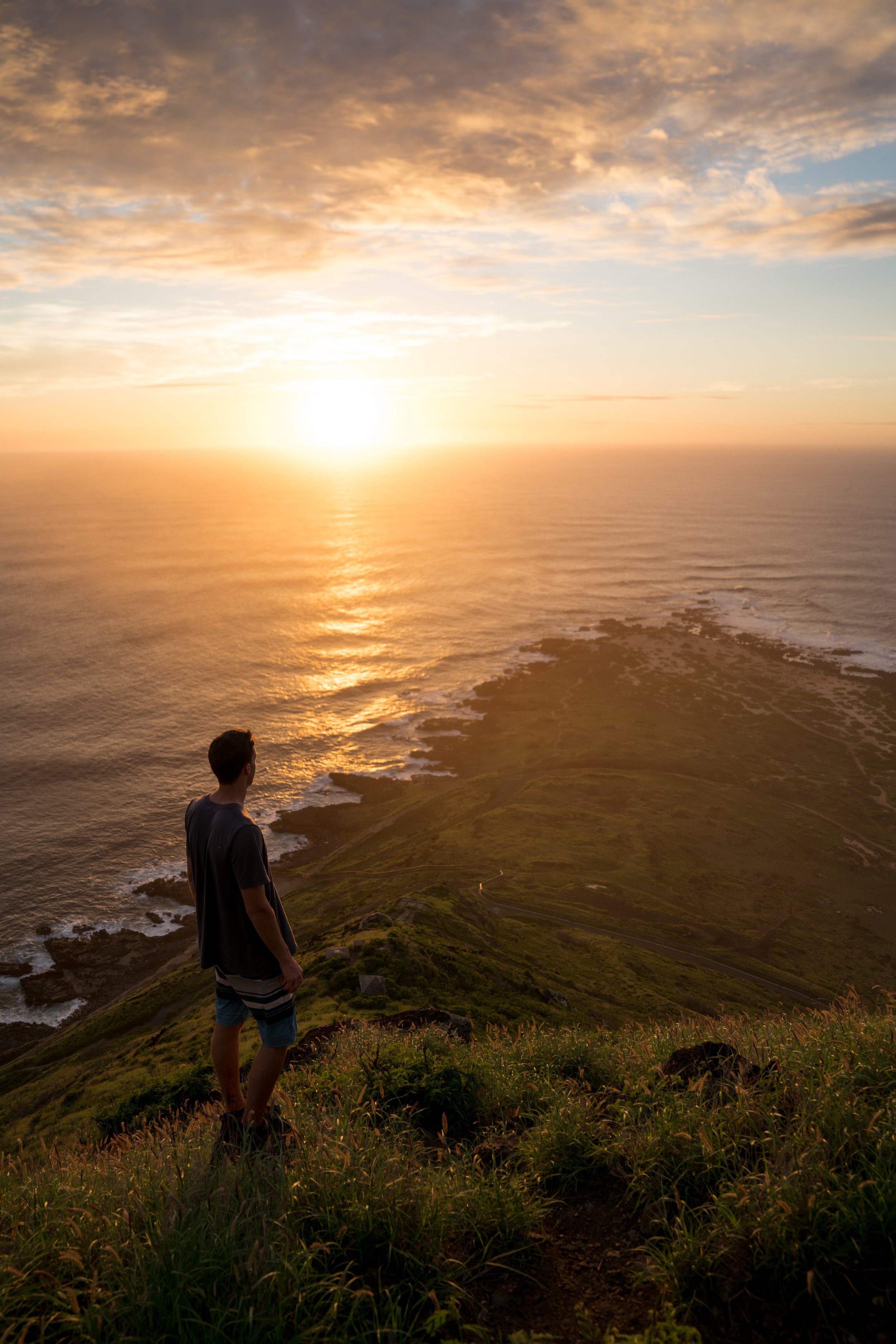
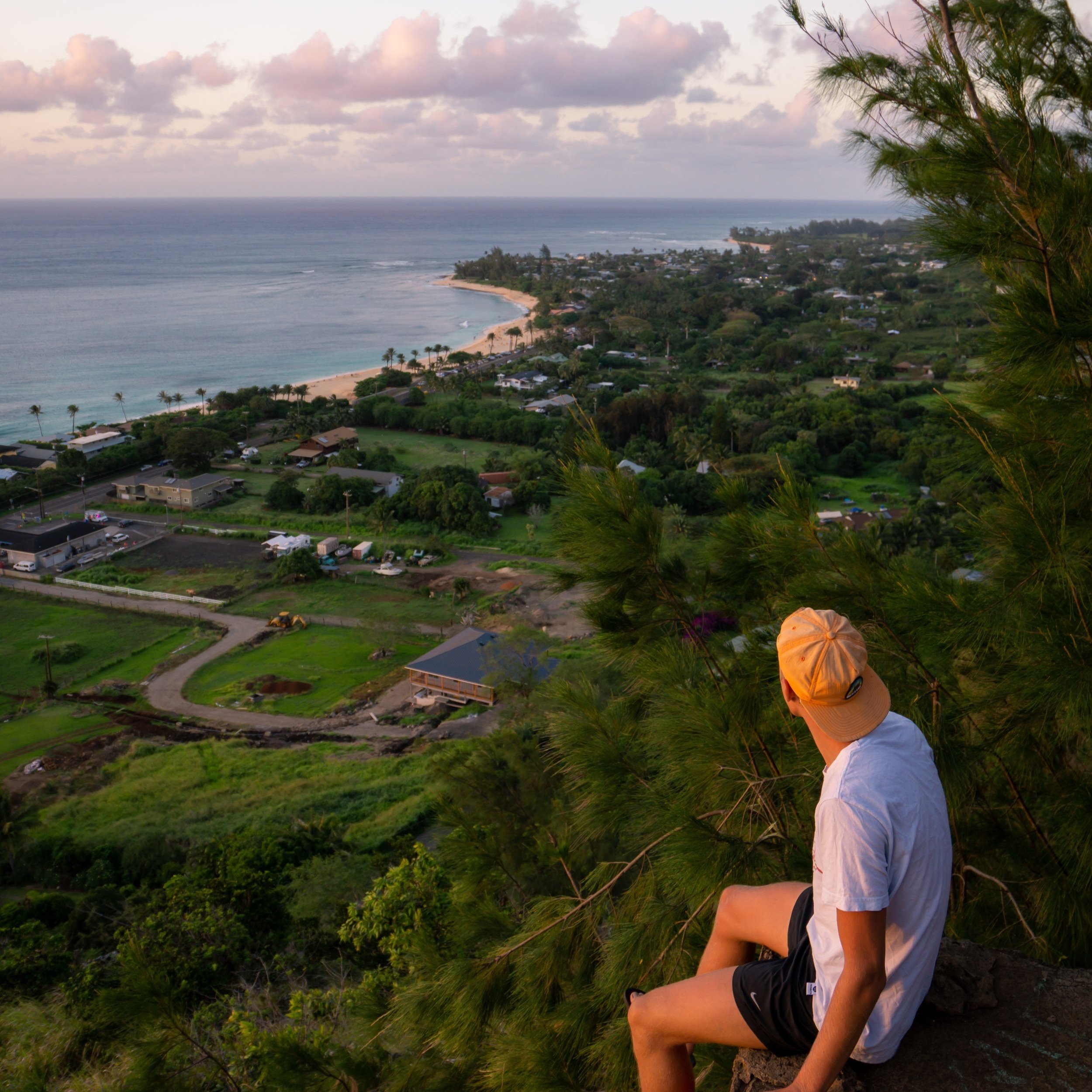
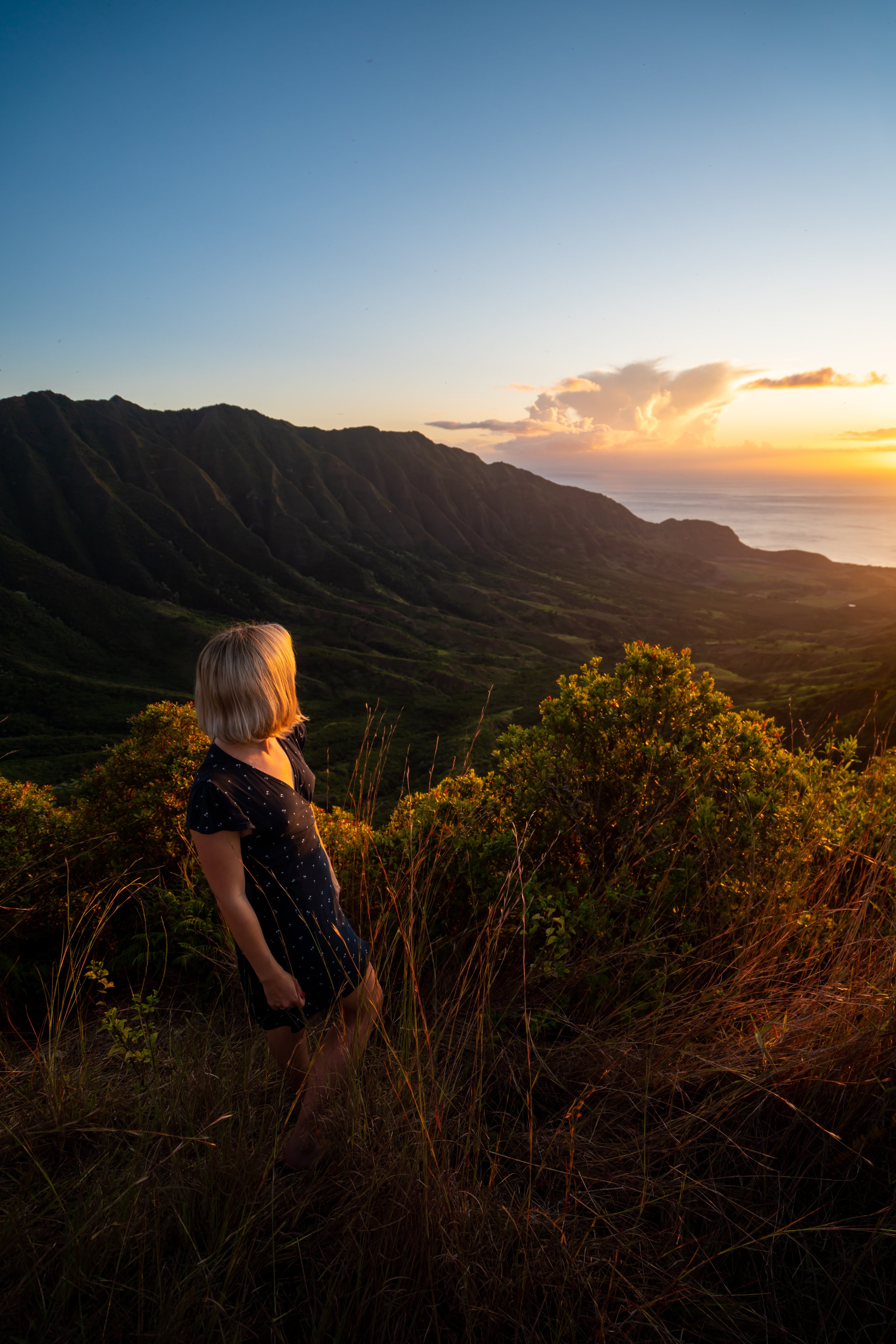
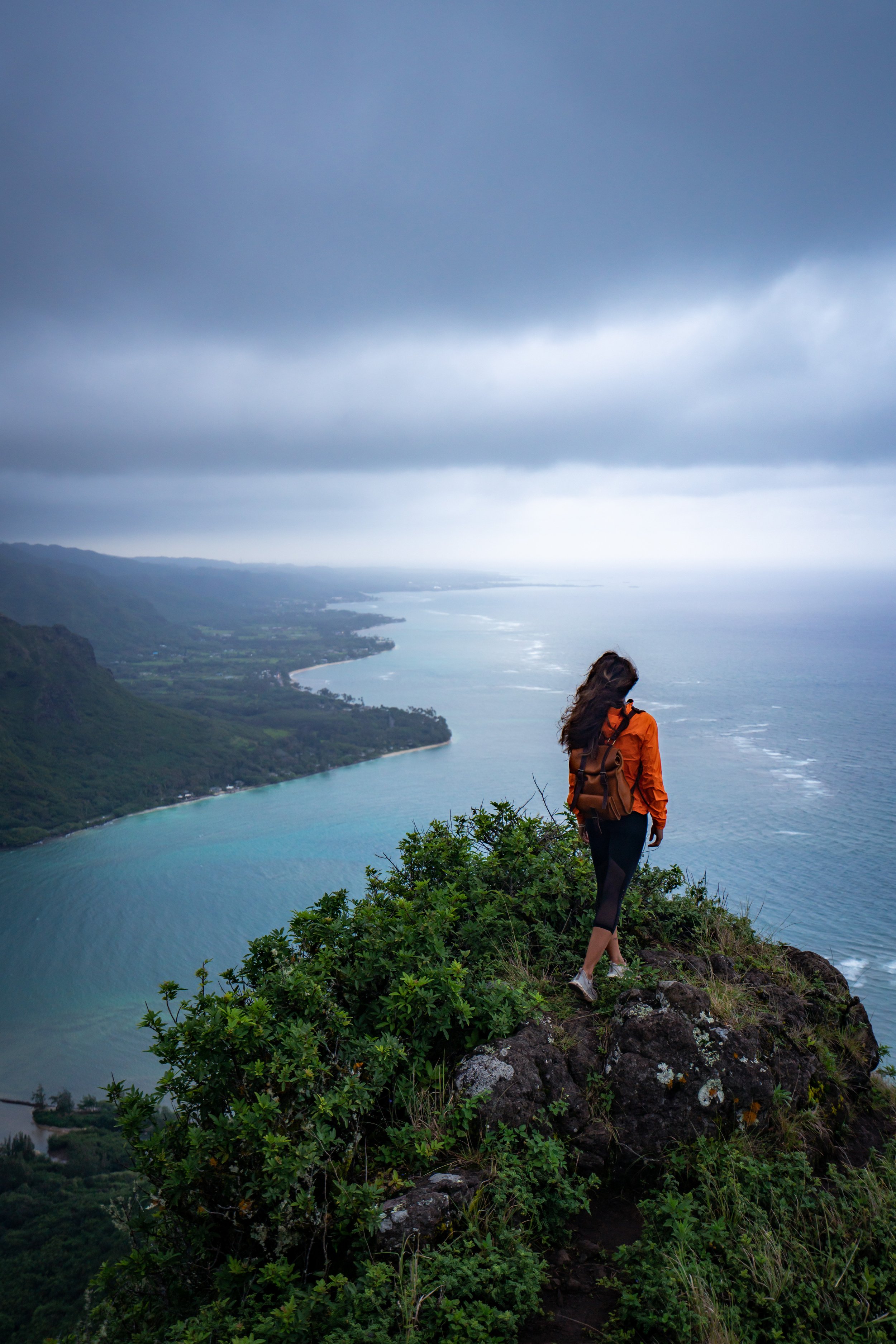
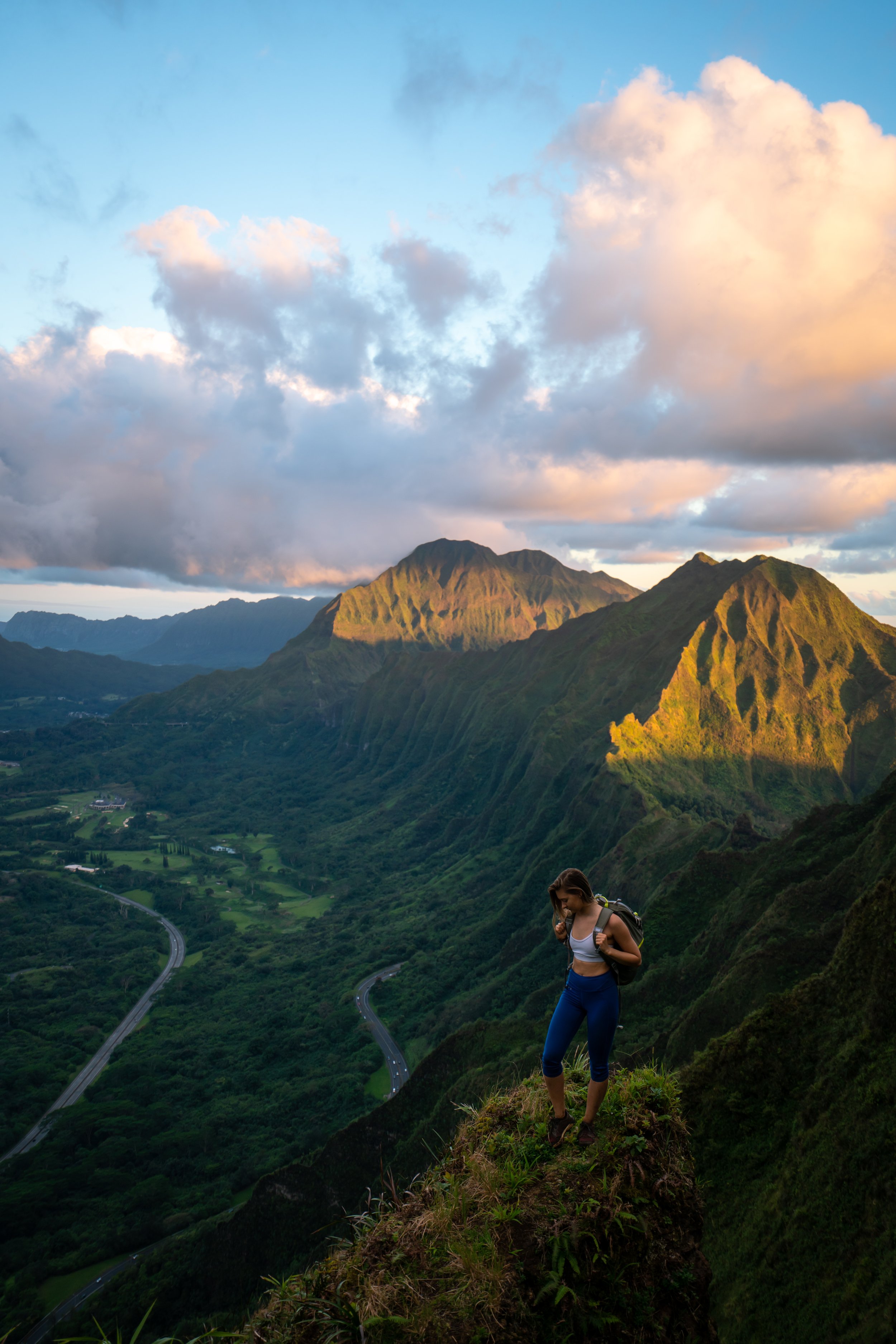
The Kuaokalā Trail in the Waiʻanae Mountains on Oʻahu is one of the most beautiful and secluded day hikes on the island, due in large part to the trail’s challenging accessibility!
By this, I mean that the Kuaokalā Trail is not the most straightforward adventure because there are two separate trailheads that hikers can utilize to access the hike, both of which are located high in the Waiʻanae Range.
What this really means is that you can either choose to begin from the Space Force Tracking Station, located above Yokohama Bay, or on the Keālia Trail in Mokulēʻia on the North Shore of Oʻahu.
That said, my personal preference always favors the Kuaokalā Trail via Keālia because of how annoying and tedious the process can be to access the trailhead from the West Side of Oʻahu, which includes getting a permit, the long drive on Farrington Highway to get there, and dealing with the guided access process through the military base. On top of all this, I have even been rejected at the military gate with a valid permit because the Space Force, quote, "forgot to put gas in the car" to escort my group to the public trailhead.
This is all to say that the Kuaokalā Trail via Keālia does not require a permit, but this doesn’t go without saying that hiking from Mokulēʻia adds an additional 3.3 miles (5.3 km) to the hike each way.
However, I feel that the additional distance and elevation gain is worth the effort because hiking from Keālia to Kuaokalā isn’t particularly difficult, it’s just longer!
Read My Separate Post: Keālia Trail
How Long is the Kuaokalā Trail?
Since many hikers only explore parts of the full Kuaokalā Trail because of its different access points and where the best views are located, I’ve broken down each section to help you plan your adventure.
Kuaokalā Distances:
East Kuaokalā Trailhead to the Kaluakauila Junction: 0.8 miles (1.3 km)
Kaluakauila Junction to Water Tank Road: 0.3 miles (0.5 km)
Water Tank Road to the Manini Junction: 0.9 miles (1.4 km)
Manini Junction to the West Kuaokalā Trailhead: 0.5 miles (0.8 km)
Total Distance (One Way): 2.5 miles (4.0 km)
Is a Permit Required to Hike the Kuaokalā Trail?
No. Permits are not required to hike the Kuaokalā Trail via Keālia or the Mokulēʻia Access Road.
They are only required if you want to begin hiking from the West Kuaokalā Trailhead located within the Kaʻena Point Space Force Tracking Station above Yokohama Bay because it is an active U.S. military installation.
This is why I prefer to begin hiking from the Keālia Trail on the North Shore.
Book Here: Kuaokalā Permit
Lower Kuaokalā Trailhead Parking
Parking for the Kuaokalā Trail is located in one of two places, depending on whether you prefer to take the longer route via Keālia to avoid the hassle of obtaining a permit, or the shorter route through the Space Force Tracking Station, which requires a day-use hiking permit.
That said, the Lower Kuaokalā Trailhead parking is in the same parking area as the Keālia Trail located within the Kawaihāpai Airfield in Mokulēʻia, also known as Dillingham.
Alternatively, the Upper Kuaokalā Trailhead parking can be seen below.
Google Maps Directions: Lower Kuaokalā Trailhead (Keālia)
Upper Kuaokalā Trailhead Parking
The second Kuaokalā Trailhead parking area is located within the Kaʻena Point Space Force Tracking Station above Yokohama Bay on the West Side of Oʻahu.
If you decide to begin from the Upper Trailhead, be prepared to present your permit, photo IDs for every hiker listed, and vehicle registration or rental agreement (if it's a rental car) to the guard at the entrance booth just before the gates to Yokohama Bay.
Once approved, the guard will open the gate, and you will drive up just over 1,300 ft. (396 m) to a second guard shack at the top. It is there that Space Force personnel will escort you through the base to the trailhead parking area shown in the photos below.
Google Maps Directions: Upper Kuaokalā Trailhead
Hiking the Kuaokalā Trail
East Kuaokalā Trailhead
Since I always prefer to begin hiking the Kuaokalā Trail from Keālia on the North Shore of Oʻahu, this is the East Kuaokalā Trailhead at the junction with the Waiʻanae Summit Trail (WST).
To learn more about how to access the Kuaokalā Trail from the Keālia Shelter, including all the different turns through the Kuaokalā Forest Reserve, be sure to check out my separate post linked below for all the details.
Read My Separate Post: Keālia Trail
After passing through the gate for ungulate-exclusion fence around the Mākua Military Reservation, the Kuaokalā Trail immediately begins a steep 60-ft. (18.3 m) descent, which will all have to be regained at the bottom of the hill, just a short distance ahead.
Pūkiawe is one of the more common and easy-to-see native plants on the Kuaokalā Trail, just like the ʻIliahi shown later in this post.
This is the bottom of the initial steep 0.1-mile (0.2 km) hill, where the Kuaokalā Trail immediately begins a steep ascent to regain all the elevation just lost.
As the Kuaokalā Trail nears the top of the hill, go right to make a hard turn up this little hill to stay on the correct path.
After the initial down and up, the Kuaokalā Trail will simply parallel the fence line along the rim of Mākua Valley for the next 0.6 miles (1.0 km), at which point it will pass through a second gate, ultimately leaving the management unit behind.
This somewhat hilly stretch along the fence is where the views of Mākua Valley to the south start to get better and better!
There’s definitely a path in here somewhere, but after a lot of rain, the grass along the Kuaokalā Trail can get somewhat overgrown, though it’s really not all that difficult to walk through.
This is where the views looking south toward Mākua really start to really open up, just a short distance before the second gate!
This lone switchback is a nice sign that the second gate and the end of the Mākua Military Reservation fence are not far ahead!
This is the view looking south toward Punapōhaku Gulch and Mākua Valley beyond.
Kuaokalā-Kaluakauila Junction
After about 0.8 miles (1.3 km) from the East Kuaokalā Trailhead, the Kuaokalā Trail reaches the second gate in the fence around the Mākua Valley.
That said, the Kuaokalā Trail continues for another 1.7 miles (2.7 km) until it reaches the Space Force Tracking Station, but I think it’s worth mentioning that this gate is also a very common turnaround point, as most of the best views are located here or earlier along the trail.
If you decide to continue farther, the Kuaokalā Trail continues along the ridgeline until it reaches a little-known access road known as Water Tank Road, about 0.3 miles (0.5 km) from this point.
Pākahakaha is not the most elusive native Hawaiian plant to spot, but it is certainly one that is often overlooked!
At this unmarked junction, go straight (left) to continue on the Kuaokalā Trail, as the ridge leading uphill to the right does not lead to the Space Force Tracking Station.
This is the view looking south toward Kaluakauila Gulch, and it’s one of the last south-facing viewpoints before the Kuaokalā Trail reaches Water Tank Road.
When the Kuaokalā Trail makes this hard left turn, Water Tank Road is just a few steps ahead!
This is ʻIliahi aloʻe, and it is one of the most common native Hawaiian plants on the Kuaokalā Trail and throughout the access roads in the western part of the Waiʻanaes.
Water Tank Road
With about 1.4 miles (2.3 km) to go before the Kuaokalā Trail reaches the Space Force Tracking Station, the trail meets the end of Water Tank Road, a little-known 4WD road in the Kuaokalā Forest Reserve because there is no public access for vehicles in the same way there is for the road that leads to Peacock Flats.
Just steps after beginning Water Tank Road, the trail appears to split.
However, there is no trail worth following on the left, as the Kuaokalā Trail follows Water Tank Road on the right and continues along the road for about 0.9 miles (1.4 km), at which point it branches away.
This is Kukui, and while it is not a native Hawaiian plant, it is a canoe plant, meaning a species brought to the islands by the original Polynesians.
In addition, one of the other more common canoe plants to see on the Kuaokalā Trail is Ti, or Kī, which commonly grows throughout the range.
If one thing is obvious from these photos, I hope it’s that there is a lot of sun exposure on the Kuaokalā Trail, which is why I highly recommend hiking in a hooded sun shirt, especially if you plan to start from Keālia, as the whole hike is inevitably a long day outside.
This wide-open stretch on Water Tank Road is where trail running becomes a lot more practical—especially when the sections along Mākua Valley are a bit more overgrown, as shown above.
Kuaokalā Campsite 1
This is where the Kuaokalā Trail passes one of the designated campsites along the hike, which can be reserved through the same Hawaiʻi Department of Land and Natural Resources (DLNR) site as the day-use permits for the Space Force Tracking Station.
If you are interested in camping at one of the Kuaokalā sites, it’s definitely more practical to drive up from Yokohama Bay than to make the long hike from Keālia, and keep in mind that a 4WD vehicle is not needed to drive up, park at the trailhead, and hike the short distance in.
Book Here: Kuaokalā Camping Permits
After the campsite, there is only 0.1 miles (0.2 km) left until the Kuaokalā Trail branches away from Water Tank Road.
Kuaokalā-Water Tank Road Junction (Manini)
This is where the Kuaokalā Trail finally leaves Water Tank Road behind, beginning the final 0.5-mile (0.8 km) portion of the hike that leads to the West Trailhead.
That said, go right to begin hiking the trail portion of the Kuaokalā Trail once again.
Once the Kuaokalā Trail branches away from Water Tank Road, the trail simply contours its way through an Ironwood-dominated forest until it reaches the Space Force Tracking Station.
There are no more views from this point to the end, which, again, is why it may be worth turning back shortly after the trail leaves the Mākua Military Reservation if you aren’t interested in creating a loop with the Mokulēʻia–Kuaokalā Access Road just ahead.
This section between Water Tank Road and the West Kuaokalā Trailhead is another area where ʻIliahi is very common in the forest understory.
This is the native ʻIliahi aloʻe on the left-hand side of the trail.
West Kuaokalā Trailhead (Space Force Tracking Station)
After 2.5 miles (4.0 km) since passing through the first gate at the East Trailhead, the Kuaokalā Trail finally reaches the Space Force Tracking Station on the western end.
This is the only publicly accessible part of the Kaʻena Point Space Force Tracking Station, with the public parking area located just past the Mokulēʻia–Kuaokalā Access Road.
On that note, it is fairly common to go right at this point to begin hiking the Mokulēʻia–Kuaokalā Access Road, as the 4WD route can be used to create a loop with the Keālia Trail, as outlined on the sign shown below.
However, the total one-way distance is 4.0 miles (6.4 km) to the Keālia junction, not 3.1 miles (5.0 km), as the sign indicates.
Read My Separate Post: Waiʻanae Summit Trail (WST)
Native Plants on the Kuaokalā Trail
While the majority of the Kuaokalā Trail is dominated by non-native/ invasive species, like Slash Pine, Black Wattle, Ironwoods, and other invasive grasses, Kuaokalā is by far the best trail on Oʻahu to see ʻIliahi aloʻe growing throughout.
In addition, other natives throughout the hike include ʻŌhiʻa lehua, ʻIlima, ʻUhaloa, Palaʻā, Alaheʻe, Pūkiawe, ʻUkiʻuki, Pākahakaha, ʻIeʻie, and ʻĀkia, to truly only name a few.
If you would like to learn more about these and many other native Hawaiian plants from across the islands, I encourage you to check out my separate post linked below.
Read My Separate Post: Native Hawaiian Plant Guide